Why was the Nobel Prize awarded for Nitric Oxide?
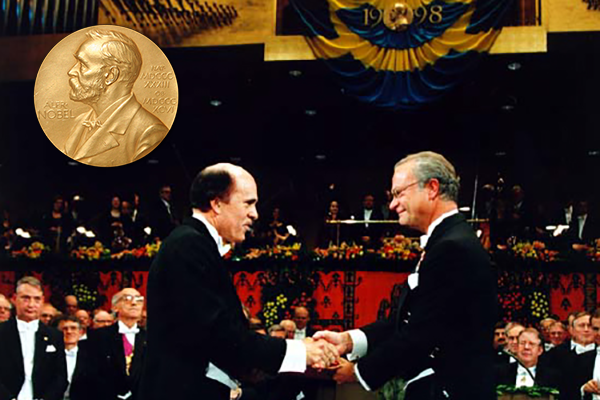
The Nobel Prize in Physiology or Medicine for Nitric Oxide was awarded in 1998 to three pharmacologists working independently. The title of the Nobel Prize was “Nitric Oxide as a Unique Signaling Molecule in the Cardiovascular System”
The History of the Discovery of Nitric Oxide
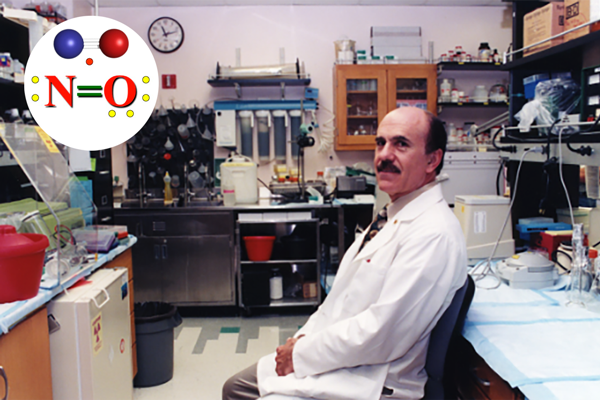
By 1989 both the biosynthesis and mechanism of action of NO were elucidated. It became clear that NO is a signaling molecule produced enzymatically from L-arginine and then immediately activates cytosolic guanylate cyclase by heme-dependent mechanisms to elevate cyclic GMP.

Nitric Oxide: The Basics
Nitric Oxide, also known as NO, is a natural signaling molecule produced in the arteries, brain and many other organs in the body. In its natural state, NO is a very unstable gaseous molecule that lasts for only a second or less after being produced inside cells.